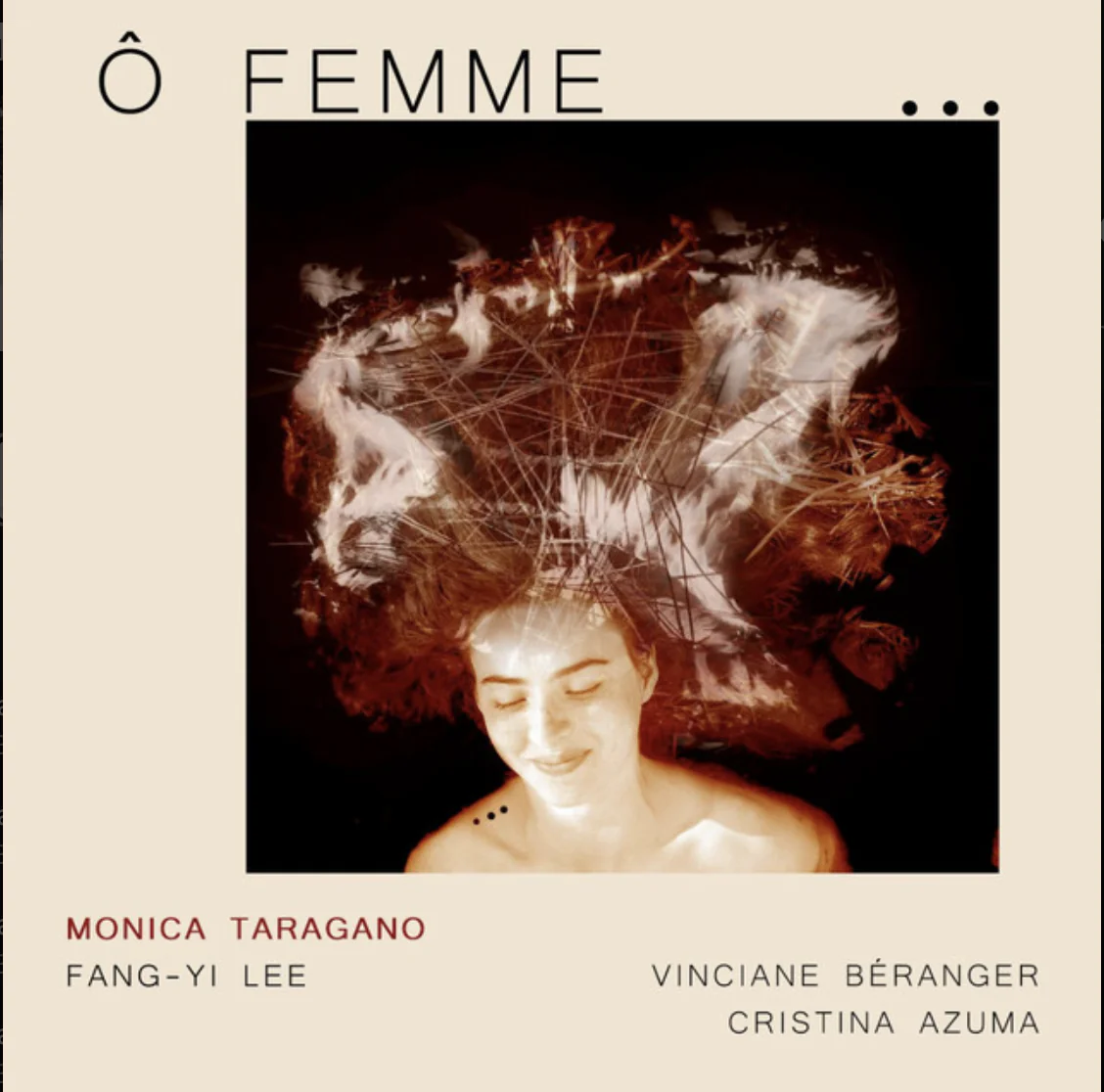
Nocturne
| Scoring | flute and piano |
| Other versions | Nocturne (violin and piano) |
| Date | 1911 |
| Premiere | On June 9, 1921, performed by Philippe Gaubert (flute) and Nadia Boulanger (piano) at the Salle Pleyel, as part of a concert entitled “A Performance of Works by Lili Boulanger, Preceded by a Talk by Camille Mauclair.” |
| Duration | 3 min |
| Dedicatee | Marie-Danielle Parenteau |
Commentary
The piece opens with a very simple ostinato, calm and steady. Over a suspended harmony on the dominant of F major, the flute lays down a tenderly expressive melody. Imperceptibly, its gently persuasive inflections gain in intensity. The tempo quickens, the melodic line grows lyrical, then exalted, and, carried by a series of rapid upward flourishes, reaches an intense climax: “très vibrant” (very vibrant), Lili Boulanger writes in the score to mark this peak, which is followed at once by a long falling-away, the solo instrument recovering the cantabile character of the opening measures, but in a brighter register. The piano then speaks briefly and delicately to announce the coda, marked by extreme gentleness and a gradual receding to the edges of silence, passing through a few shadowed regions before closing peacefully in an ethereal light.
While the expressive arc of this Nocturne is true to the Romantic heritage, the piece stands out for the originality of its harmonies: note in particular the subtle role of the altered notes in the piano, which lend the opening theme an emotional ambivalence. Note, too, the luminous brilliance with which the theme modulates to E major before the tonic of the home key has even appeared. And admire the ease and daring of the harmonic progressions leading to the climax, and the muted colors of the final measures, which help distill a dreamlike mood.
Editions
© Ricordi 1918
© Schirmer 1981
Notes
In 1915, the piece was premiered in its version for violin and piano. It was published in 1918 with the indication “for violin or flute and piano”. In the Schirmer edition, it is the first of a diptych titled Deux morceaux pour violon (ou flûte) et piano : I. Nocturne – II. Cortège. There are also several unpublished transcriptions: for string quartet, harp, and organ by Arthur Honegger; for solo flute and small orchestra by Nadia Boulanger; and for flute and orchestra by Gaston Blanquart.
© Anthony Girard
Recordings Recording