

Nadia and Lili Boulanger
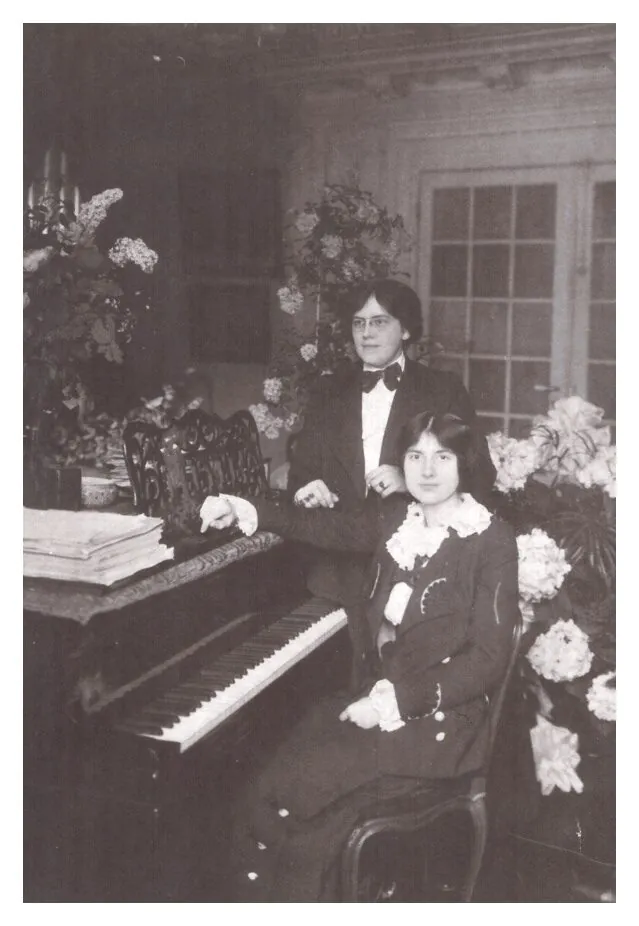
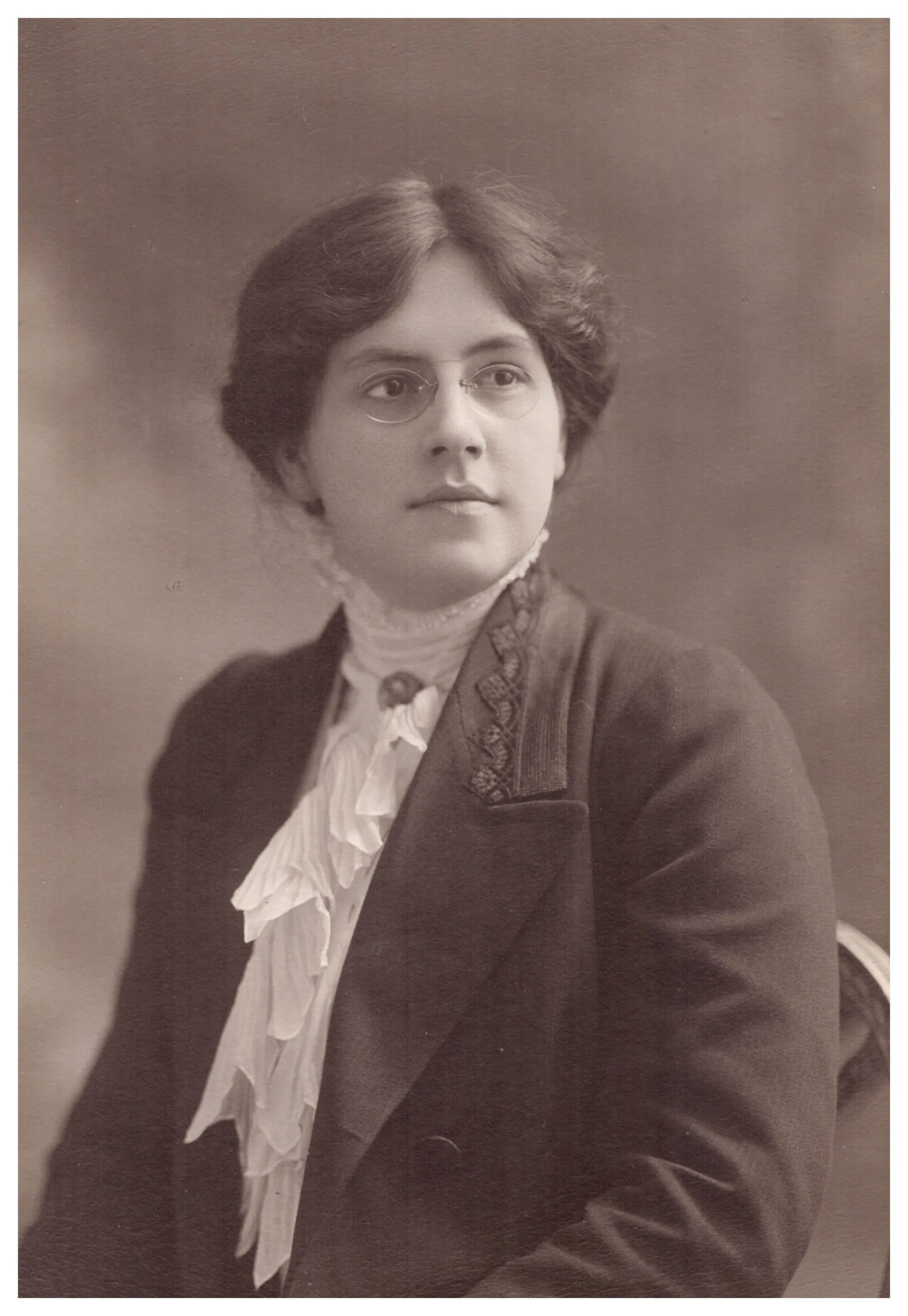
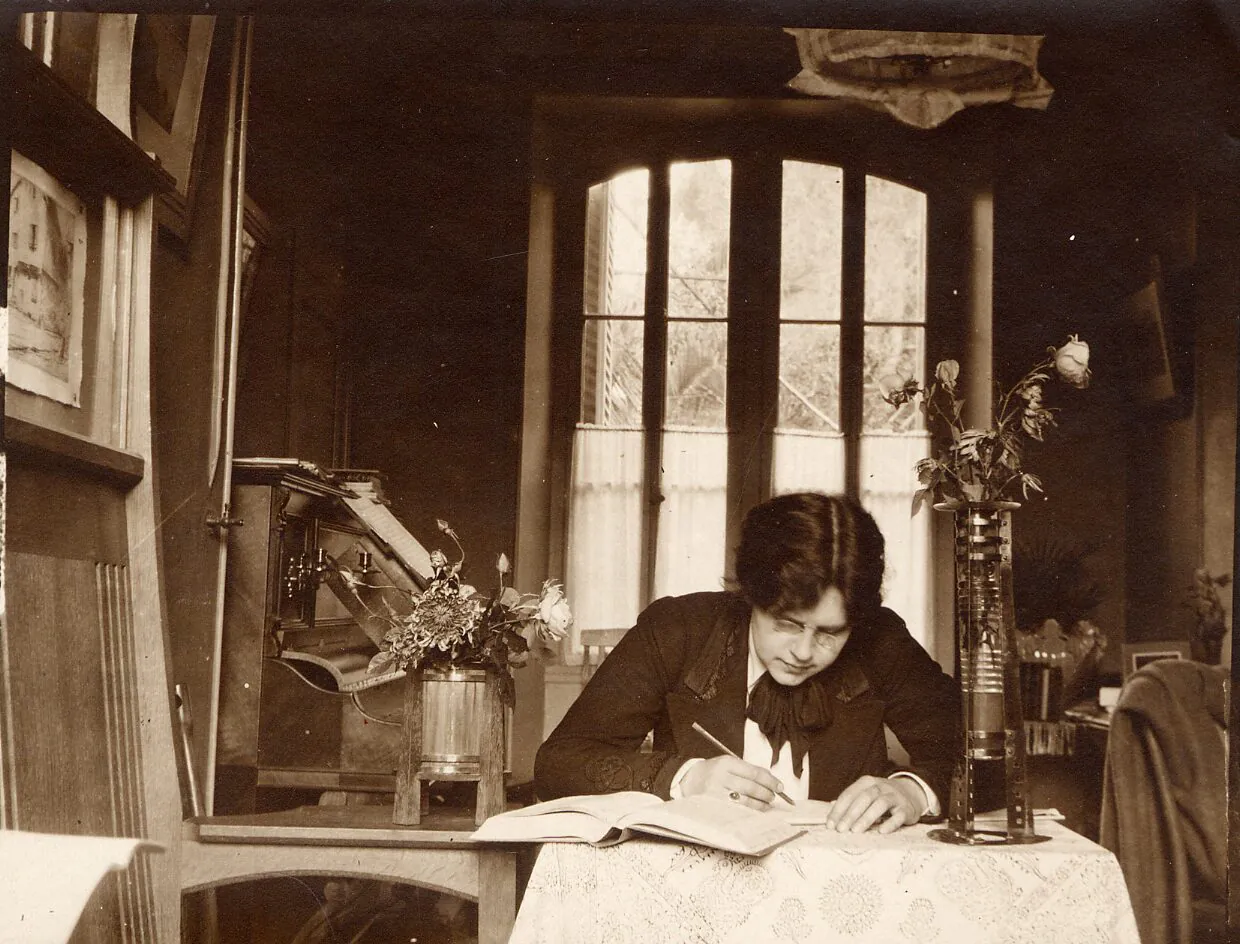
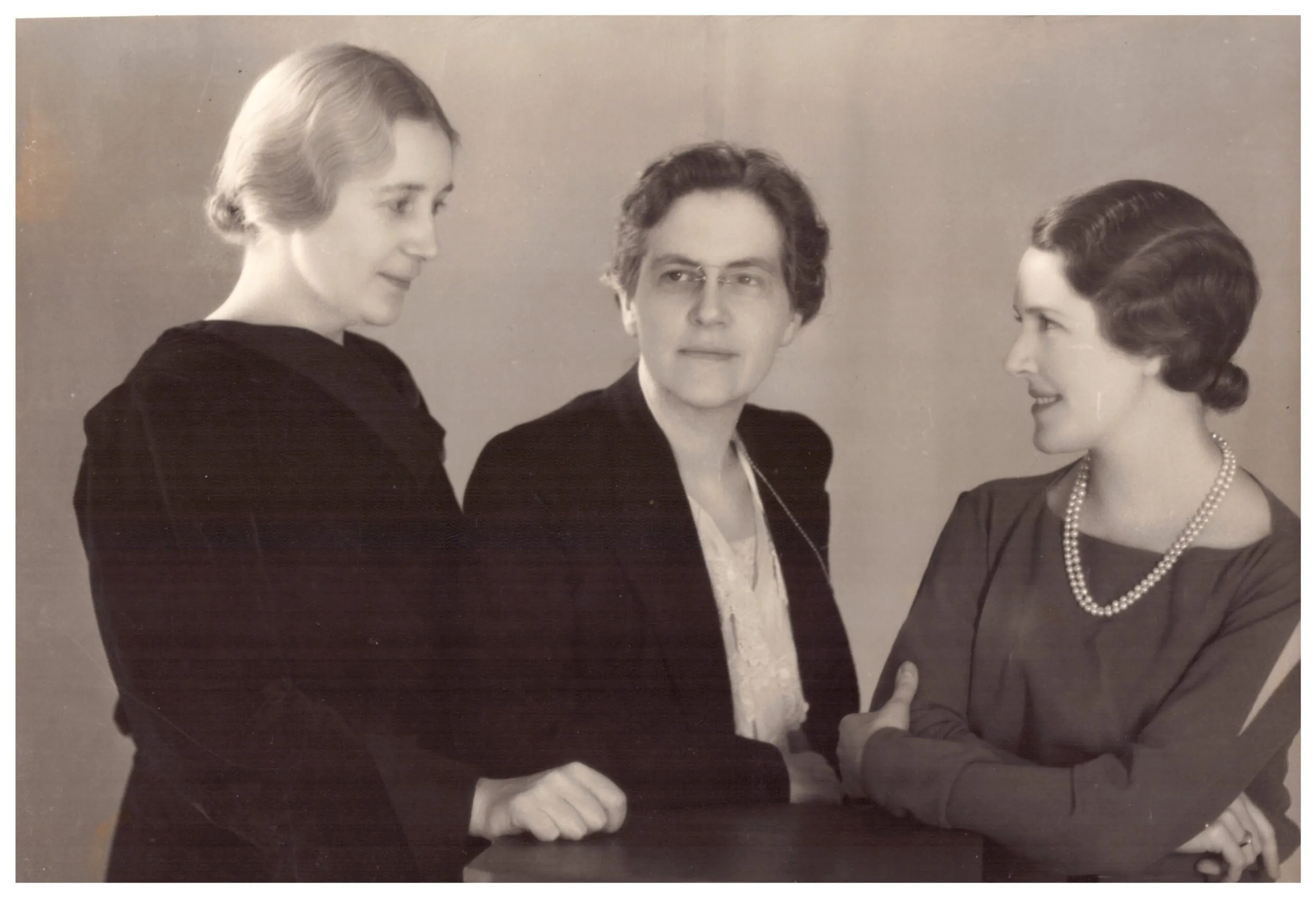
Nadia and Lili Boulanger left a lasting mark on 20th-century music.
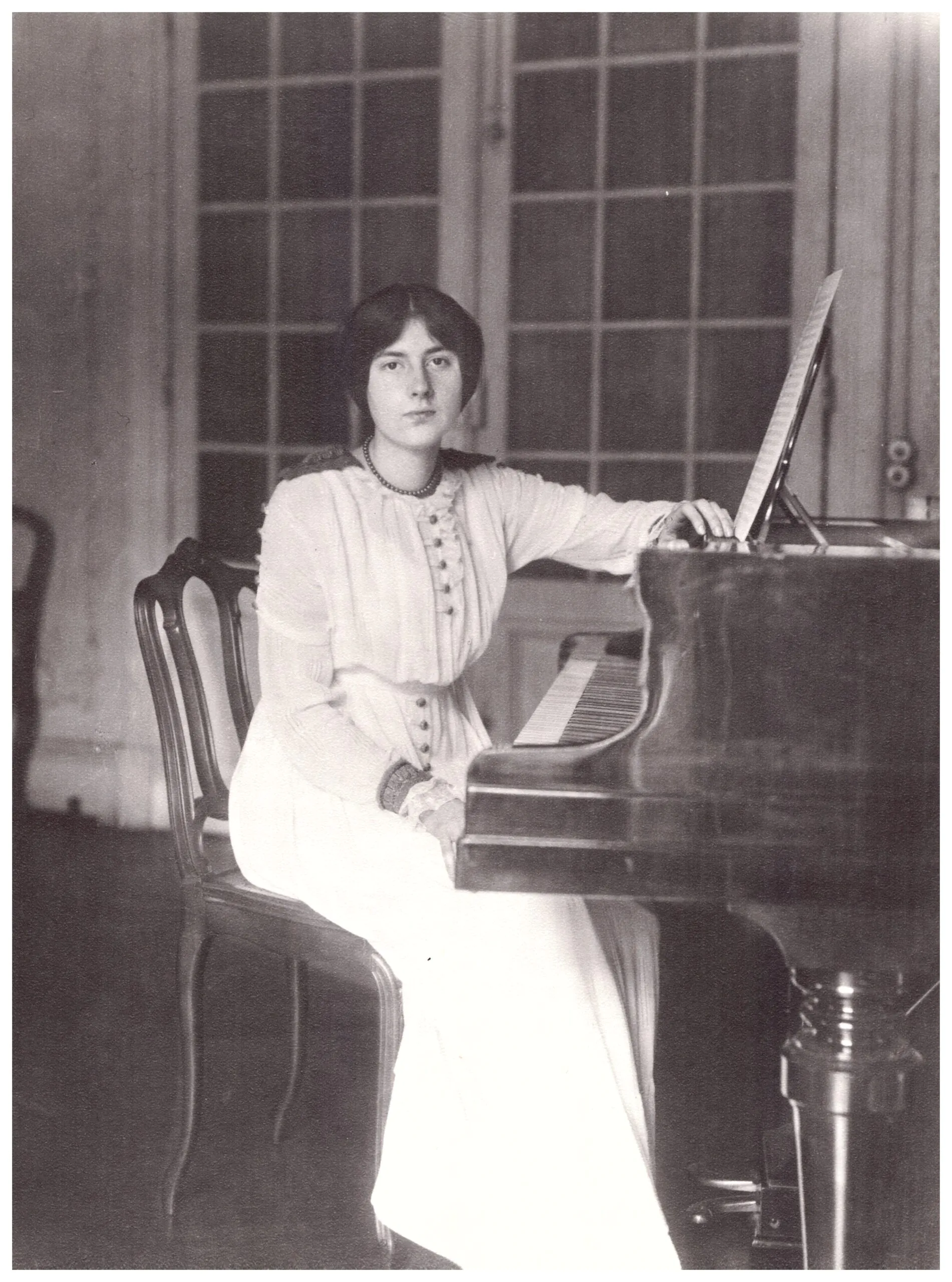
The first woman to win the prestigious Prix de Rome, Lili Boulanger (1893–1918) left behind, despite her untimely death, a remarkable body of work: mélodies, cantatas, opera and choral works, chamber music, and music for piano.
Nadia Boulanger (1887–1979), for her part, distinguished herself through a brilliant career as a composer, conductor, and performer. She also became one of the greatest teachers of her time, training generations of composers while working tirelessly to make her sister’s music known and to preserve it.
Family roots
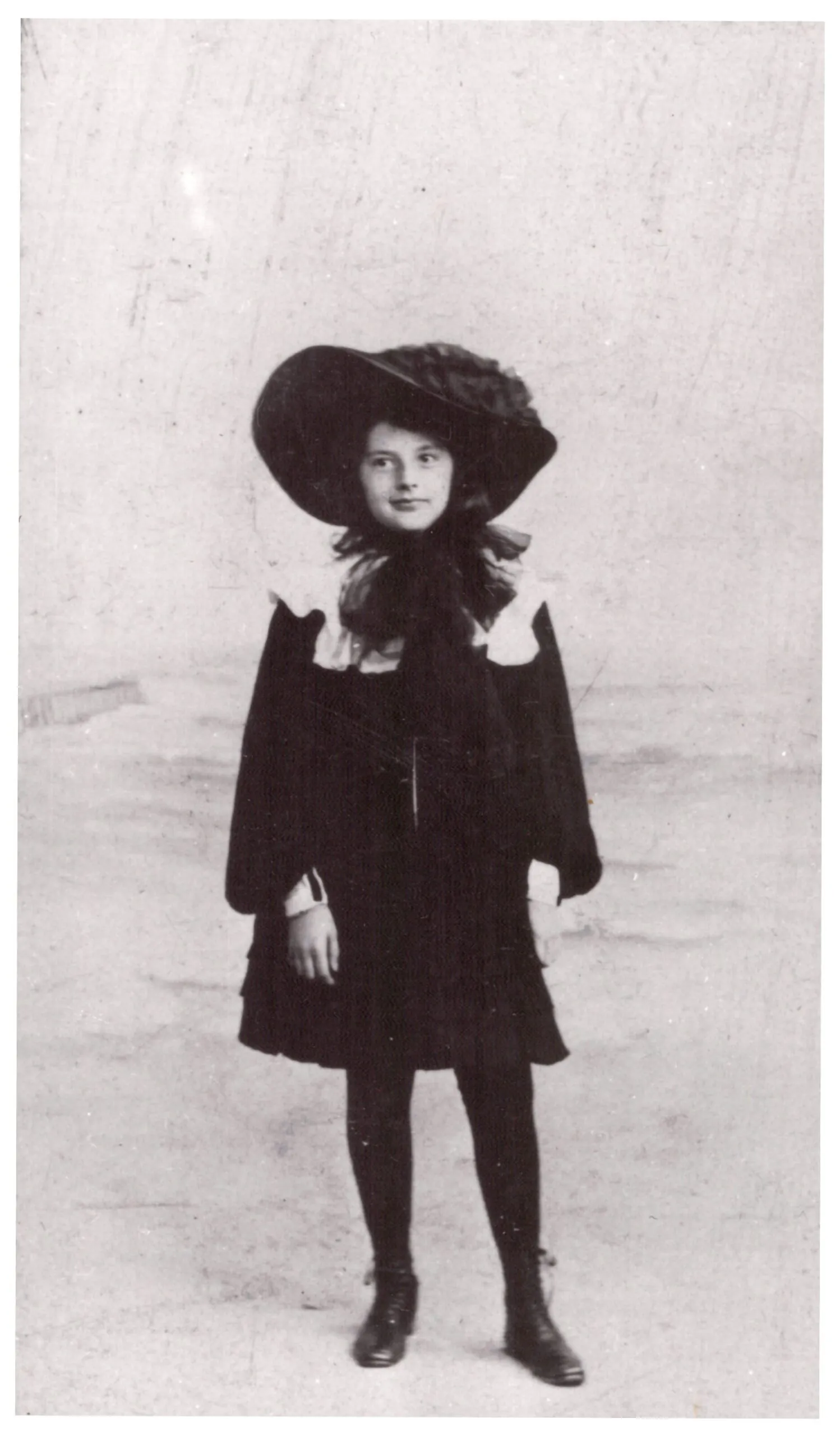
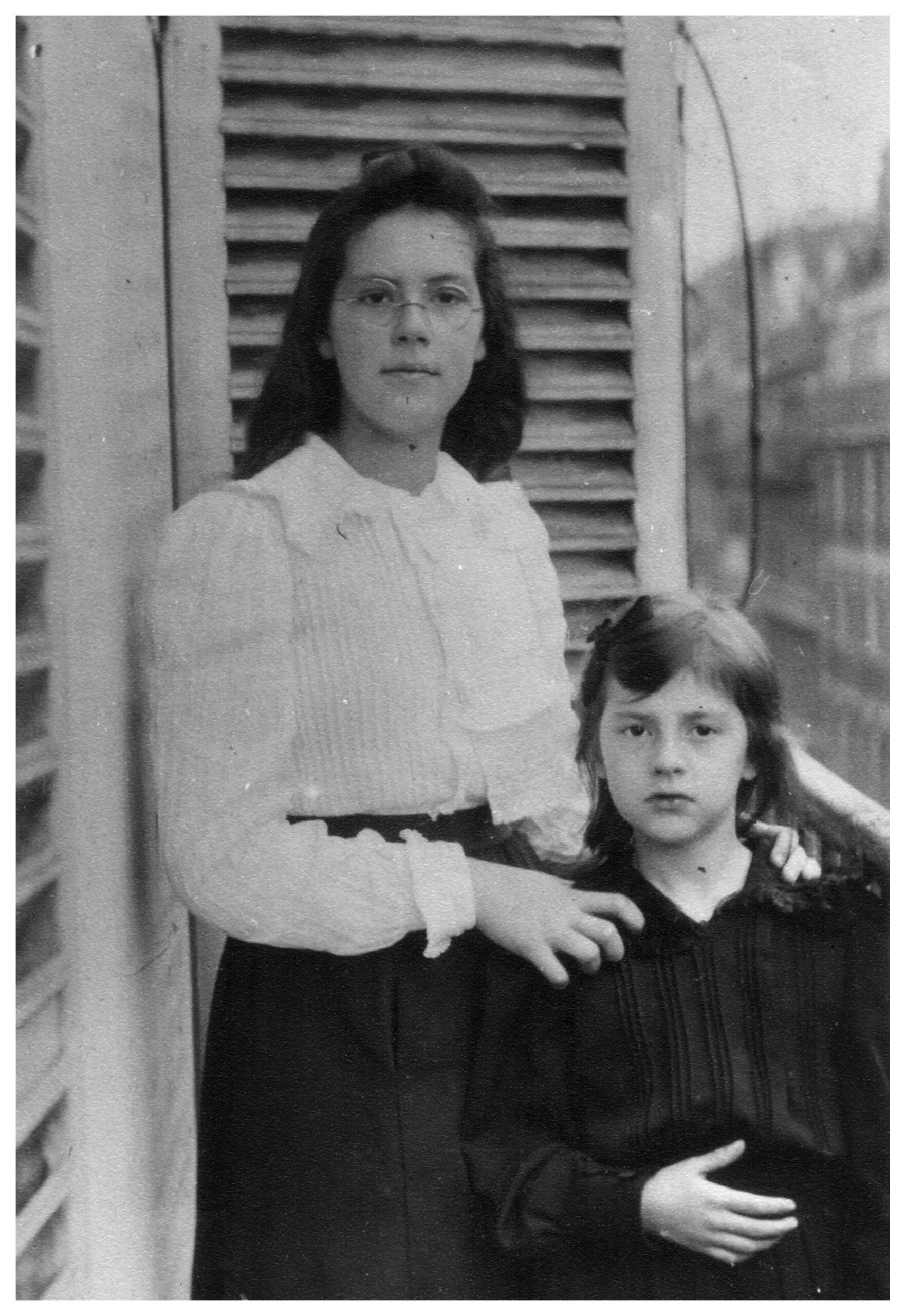
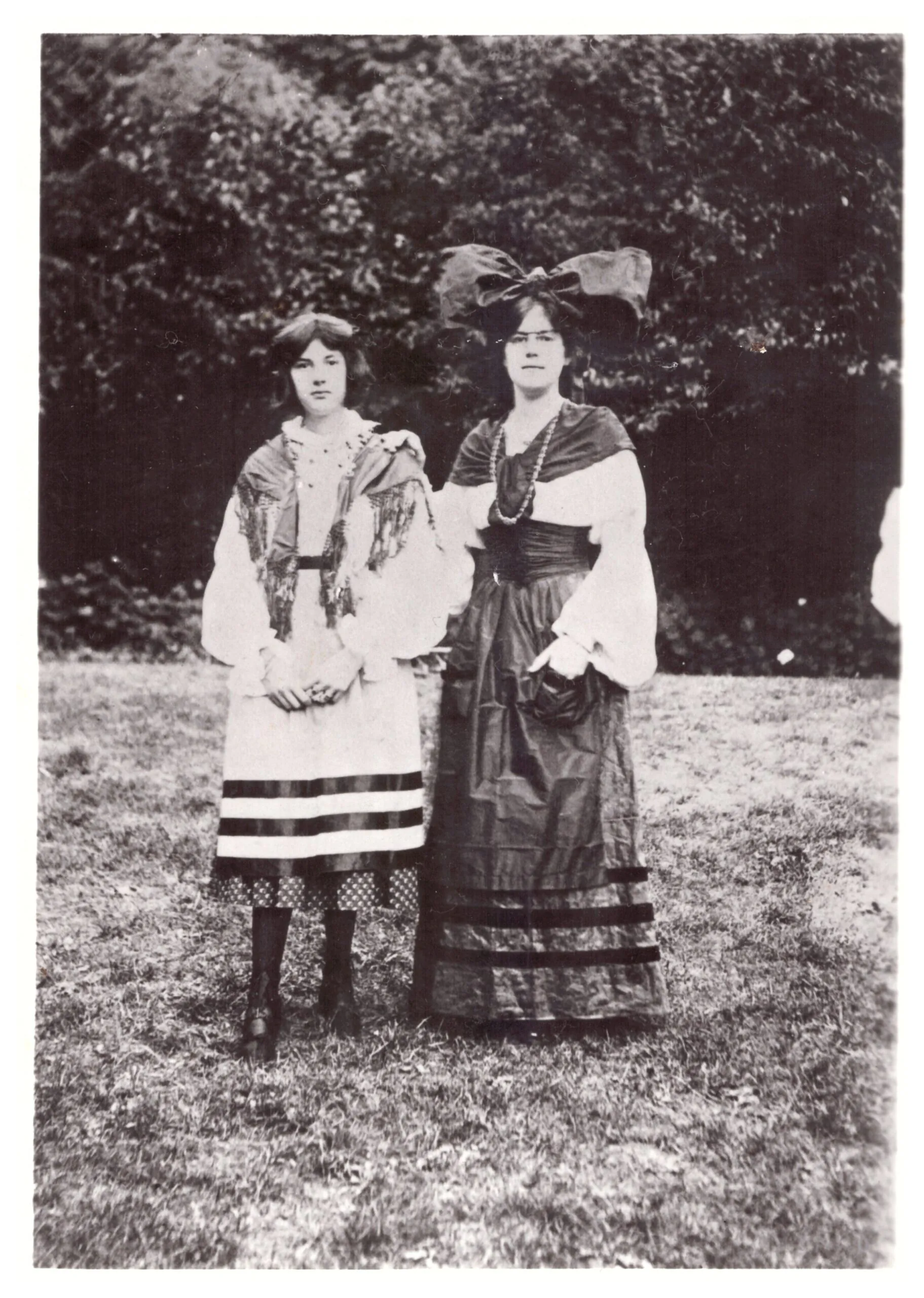
Their family background no doubt nurtured the sisters’ passion for music. Their grandmother, Marie-Julie Boulanger, enjoyed a brilliant career as a mezzo-soprano in the company of the Opéra-Comique for more than thirty years. Their father, Ernest, won the Grand Prix de Rome at nineteen and went on to build his reputation as a composer of opéras comiques, and as a professor of singing and lyric declamation at the Conservatoire de Paris. Their mother, a singer said to be a Russian princess, Raïssa Ivanovna Mychetski, joined his voice class at the Conservatoire de Paris in 1876; a year later, the couple married in Saint Petersburg. Six years separate the births of the two sisters: Nadia Juliette was born on September 16, 1887, and Olga Marie Juliette, known as “Lili,” on August 21, 1893.
Nadia Boulanger’s training
Encouraged by her father, Nadia Boulanger began studying organ and composition at the age of nine. From a very young age she mingled with the great composers of the day, as the family salon hosted musical evenings frequented by the Parisian intellectual elite. Exceptionally gifted, she entered the solfège class at the Conservatoire de Paris at nine. She went on to an outstanding course of study there, first in Auguste Chapuis’s harmony class, then with Paul Vidal for accompaniment, Alexandre Guilmant for organ, and Gabriel Fauré for counterpoint and fugue. In 1901 (or 1902) she audited Fauré’s composition classes before continuing her studies in the class of Charles-Marie Widor. At sixteen, she often served as deputy organist at the Église de la Madeleine, where Fauré was principal organist. She would always remain close to her teacher.
“Music has become the essential thing in my life, along with many other essentials.”
An extraordinary career
Two years after winning first prizes in organ, piano accompaniment, fugue, and composition, Nadia Boulanger became a respected composer in her own right when she was awarded the Second Grand Prix de Rome in 1908 for her cantata La Sirène, after two unsuccessful attempts. The following years were a fertile creative period that produced, among other works, the cantata Dnégouchka for three soloists and orchestra (1909–1910); the opera La Ville morte, on a libretto by Gabriele D’Annunzio, written in collaboration with Raoul Pugno (1910–1912); and the Trois pièces pour violoncelle et piano (1911–1913). The first of these pieces, in E-flat minor, is a transcription of “Improvisation,” and the second, in A minor, of “Petit Canon,” both originally written for organ (or harmonium), to which she added a “Danse espagnole” in C-sharp minor. Also worth mentioning are the Fantaisie variée for piano and orchestra (1912) and the Petites Pièces for piano (1914–1916), an unfinished cycle of short pieces of endearing simplicity that alternate between D minor, B minor, and D minor and carry no phrasing or dynamic markings. Known for her astonishing memory, she also pursued a brilliant career as a performer, on both organ and piano, and as a conductor.
“I think in notes before I think in words.”
Lili Boulanger, an early calling
Lili Boulanger also showed early musical gifts. She received no formal musical training before 1909, apart from a few lessons in violin, cello, harp, and piano. She sang constantly: Fauré, a friend of the family, was happy to accompany her, since from the age of six she could sight-read his songs. She took up composition, and it gradually came to dominate her life, to the point of becoming a professional vocation. From then on she was taught at home by Georges Caussade, a professor of counterpoint and fugue. Despite extremely fragile health, in 1909, at the age of sixteen, she entered Paul Vidal’s composition class at the Conservatoire de Paris.
Unfortunately, the instrumental and vocal works from this period have not been found, apart from a delicate Pièce for violin (or flute) and piano (1910), in which her fascination with ambiguous harmony can already be glimpsed. A year later, her language came into its own in the Nocturne for violin (or flute) and piano (1911), a melancholy piece marked by the influence of Debussy. Dedicated to her friend Marie-Danielle Parenteau, the work was premiered by Émile Mendels on violin with the composer at the piano on December 17, 1915, at the Petit Palais des Champs-Élysées, in a series of concerts for the poilus, the French soldiers at the front. In 1912, for the composition class examination, she presented Pour les funérailles d’un soldat for four-part mixed chorus, baritone solo, and piano (or orchestra), on a poem by Alfred de Musset; the work was awarded the Prix Lepaulle of the Institut de France.

The crowning achievement: the Prix de Rome
A year later, Lili Boulanger made history by becoming the first woman to win the Premier Grand Prix de Rome, with her cantata Faust et Hélène for three soloists and orchestra on a poem by Eugène Adenis. On November 24, 1913, she was received at the Élysée Palace by the President of the Republic, Raymond Poincaré. Her new renown enabled her to sign an exclusive contract with Éditions Ricordi.
In February 1914, accompanied by her mother, she joined her fellow Prix de Rome winners at the Académie de France à Rome, delighted to be among them even as her health worsened. One work in particular captures the festive atmosphere of the Villa Médicis: the famous Cortège (1914) for violin (or flute) and piano. Carefree and playful in character, it draws on Impressionist music in its use of pentatonic scales and fragmented motifs; its liveliness comes from frequent pizzicati in the violin and staccato chords in the piano, as well as from contrasting dynamics. During her stay, she also continued work on several religious pieces: Psaume 24 (1914–1916), Psaume 129 (1914–1916), and Psaume 130; Du fond de l’abîme (1914–1917), as well as Vieille Prière bouddhique (1914–1917).
“She is, at last, the first important woman composer in history. […] From the outset, she attains a certain form of the sublime through what she seeks and the way she achieves it.”
La Gazette des classes du Conservatoire
In 1915, in the midst of the world war, Nadia and Lili Boulanger founded the Franco-American Committee of the Conservatoire. Its aim was to provide moral and financial support to students and former students of the composition classes who had been mobilized, were fighting, or had been taken prisoner. Through the Gazette de Composition du Conservatoire, the sisters gave a voice to the musicians serving in the war: ten issues were published and sent to the front. That same year, Nadia Boulanger composed Vers la vie nouvelle for piano (1915), which was included in Lisa Frouin’s publication Les Écoles de l’avenir, écoles régénératrices, in support of underprivileged families.
Composing in the face of illness
But Lili Boulanger was battling an immune deficiency that left her terribly weak. In 1916 she nevertheless returned to the Villa Médicis in Rome, accompanied by her sister, and worked there on her opera project La Princesse Maleine (1916–1918), a drame lyrique in five acts after the play by Maurice Maeterlinck. She kept composing as best she could during a stay in Arcachon. Back in Paris, after another crisis, she underwent an operation in July 1917 that proved ineffective. She knew her days were numbered.
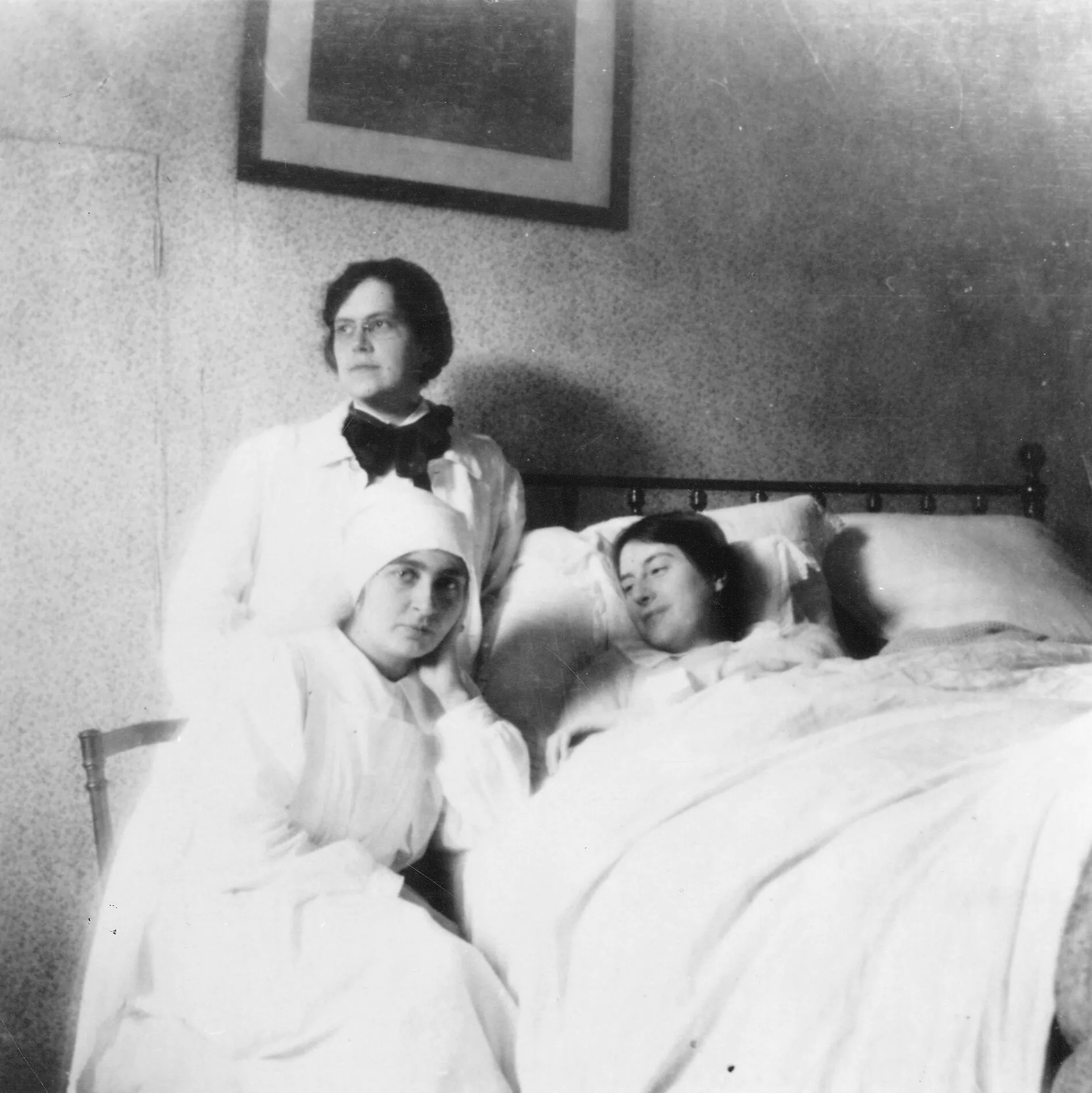
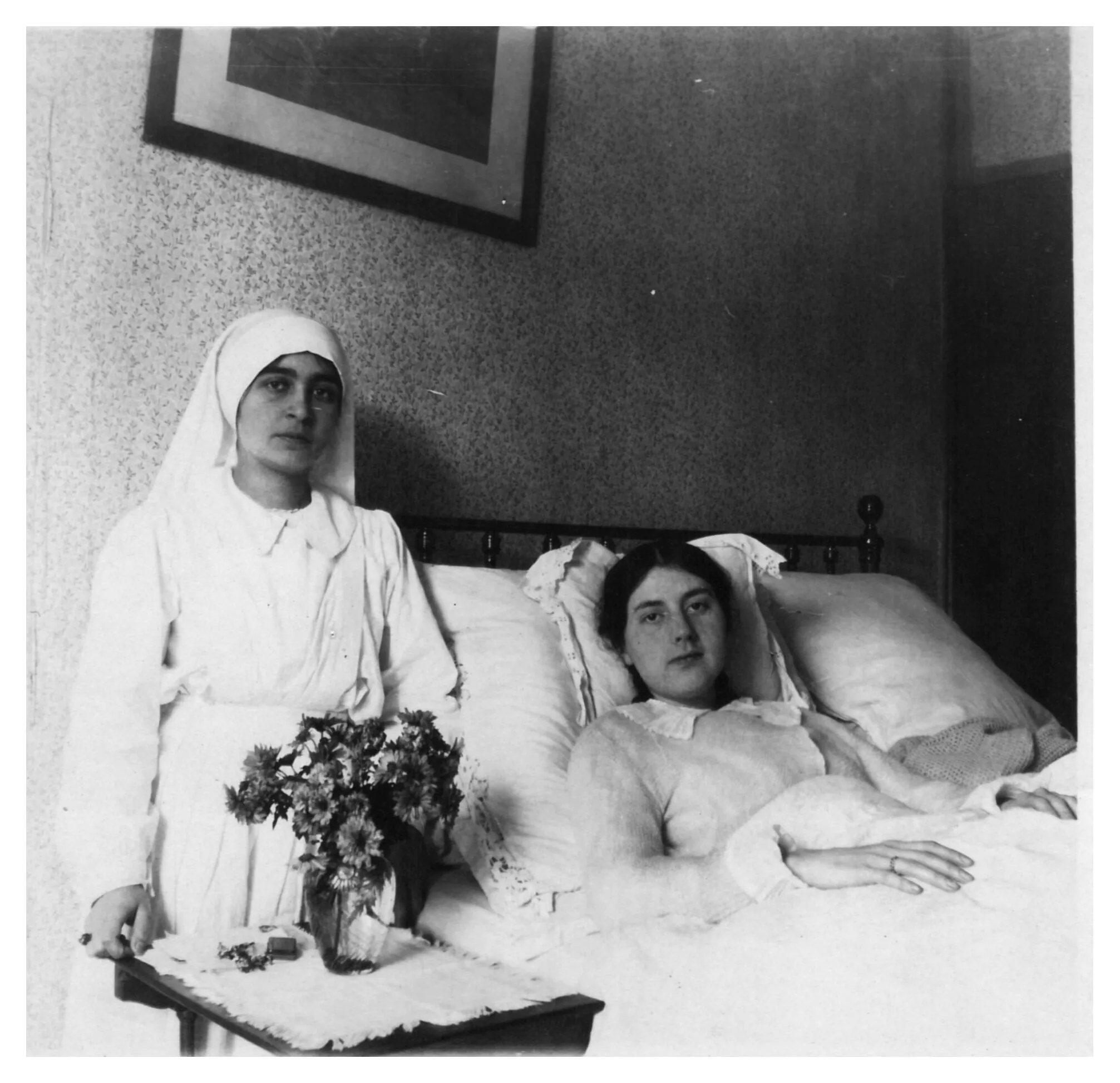
Bedridden, she went on composing with fervor, as shown by D’un matin de printemps for violin (or flute) and piano (also in versions for piano trio and for orchestra) (1917–1918) and D’un soir triste for piano trio (also in versions for orchestra and for cello and piano) (1917–1918). The two works share the same opening notes and the same dotted rhythm, although the second is steeped in a far more somber and solemn atmosphere. They were the last pieces written in the composer’s own hand. Nadia Boulanger described this final creative period in these words: “She took care of herself, not to live longer, but in the hope of saying what she still had to say, and not as a confidence, but as the expression of the music that welled up within her, apart from any kind of outward effect. She wrote because she had to speak, and she had to speak the inaccessible language that is the language of art.”
Fleeing the bombardments, the two sisters moved in with Madame Rivière in Mézy-sur-Seine. On her deathbed, Lili Boulanger dictated her final masterpiece to her sister: Pie Jesu for voice, string quartet, harp, and organ. She died on March 15, 1918, at the age of twenty-four, of intestinal tuberculosis. Nadia Boulanger never recovered from this cruel loss. Of her sister, she said: “She represents the best, the most intimate, the deepest part of my life.” She then resolved to devote herself, body and soul, to making Lili’s music known.
“She never felt the slightest sense of revolt, only the urgent need to say what she had to say. […] She had to speak the inaccessible language that is the language of art.”
Nadia Boulanger: a teacher of international renown
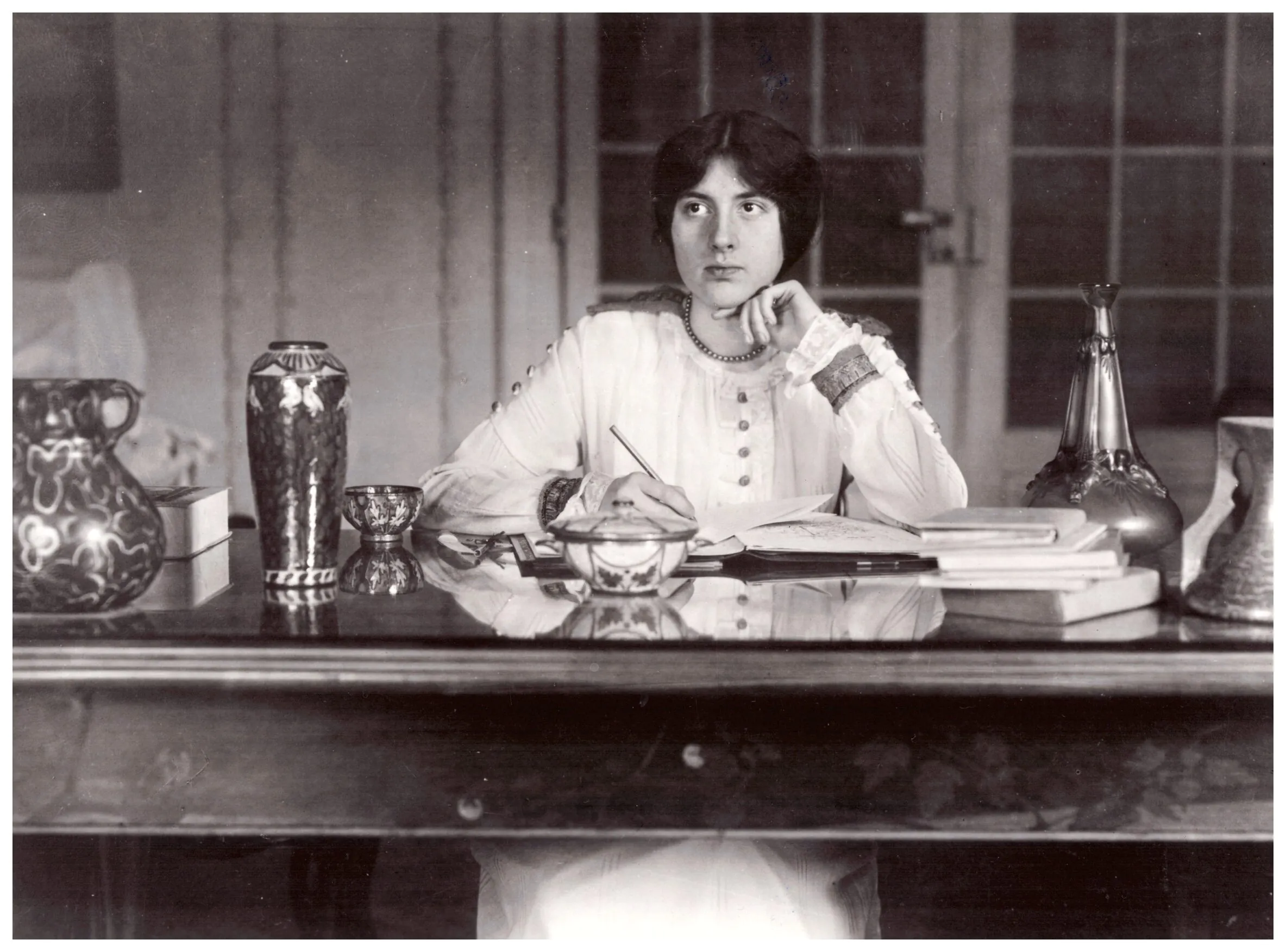
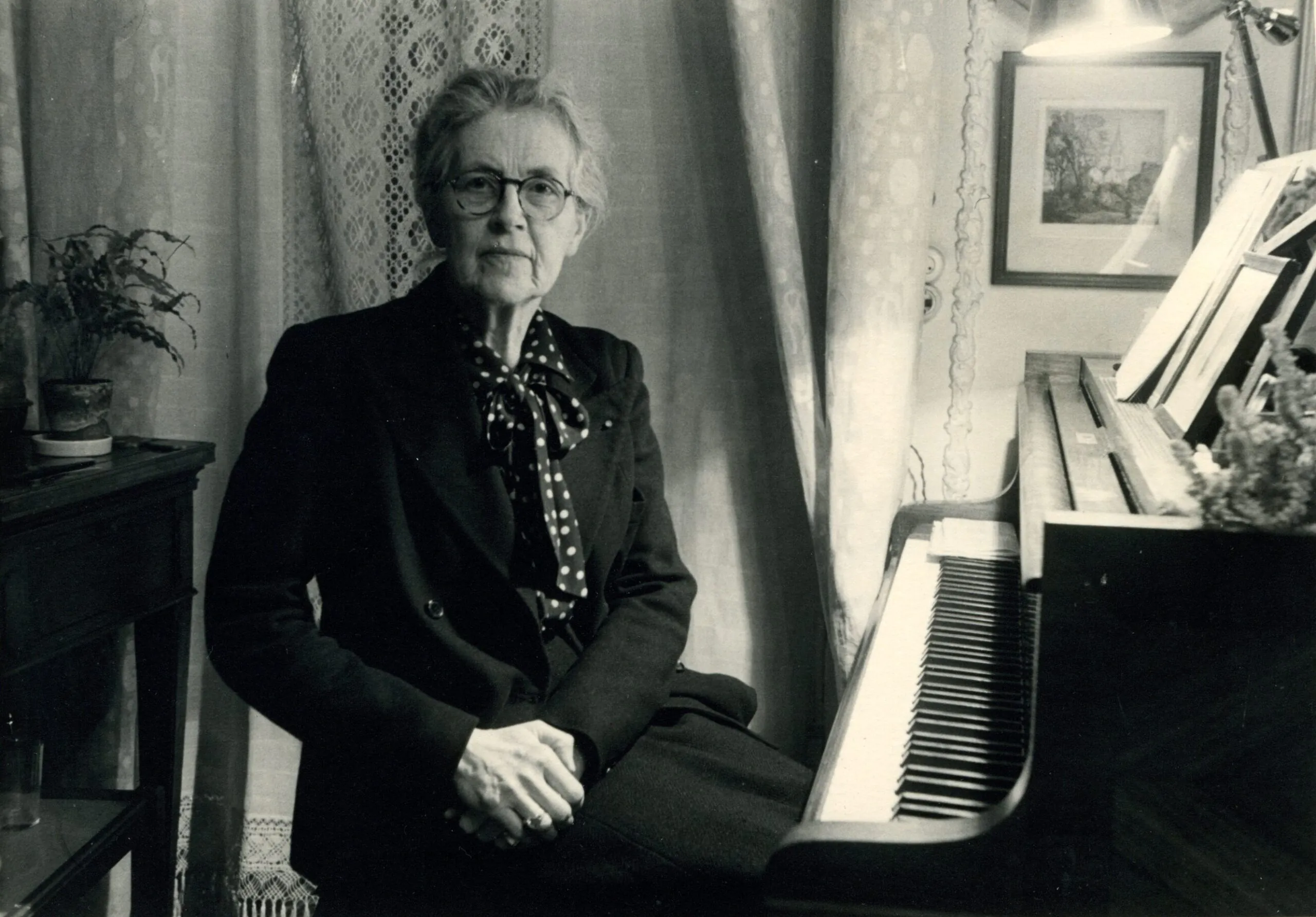
In the early 1920s, Nadia Boulanger stopped composing, later calling her music “useless.” The real reasons for this choice remain a mystery to this day. For a woman who believed that a successful work was “an amalgam of obedience and freedom,” a page had been turned for good. It was then that her teaching career took off. After serving as an assistant in Henri Dallier’s harmony class at the Conservatoire de Paris, she became professor of organ, harmony, and counterpoint at the École Normale de Musique in 1919, at the invitation of Alfred Cortot and Auguste Mangeot. But it was at the American Conservatory at Fontainebleau that she won international renown as a teacher. There Nadia Boulanger trained generations of brilliant musicians from the United States and other countries, among them John Adams, Daniel Barenboim, Leonard Bernstein, Elliott Carter, Theodore Chanler, Aaron Copland, John Eliot Gardiner, Philip Glass, Quincy Jones, Michel Legrand, Astor Piazzolla, Walter Piston, and Virgil Thomson.
The classes on rue Ballu
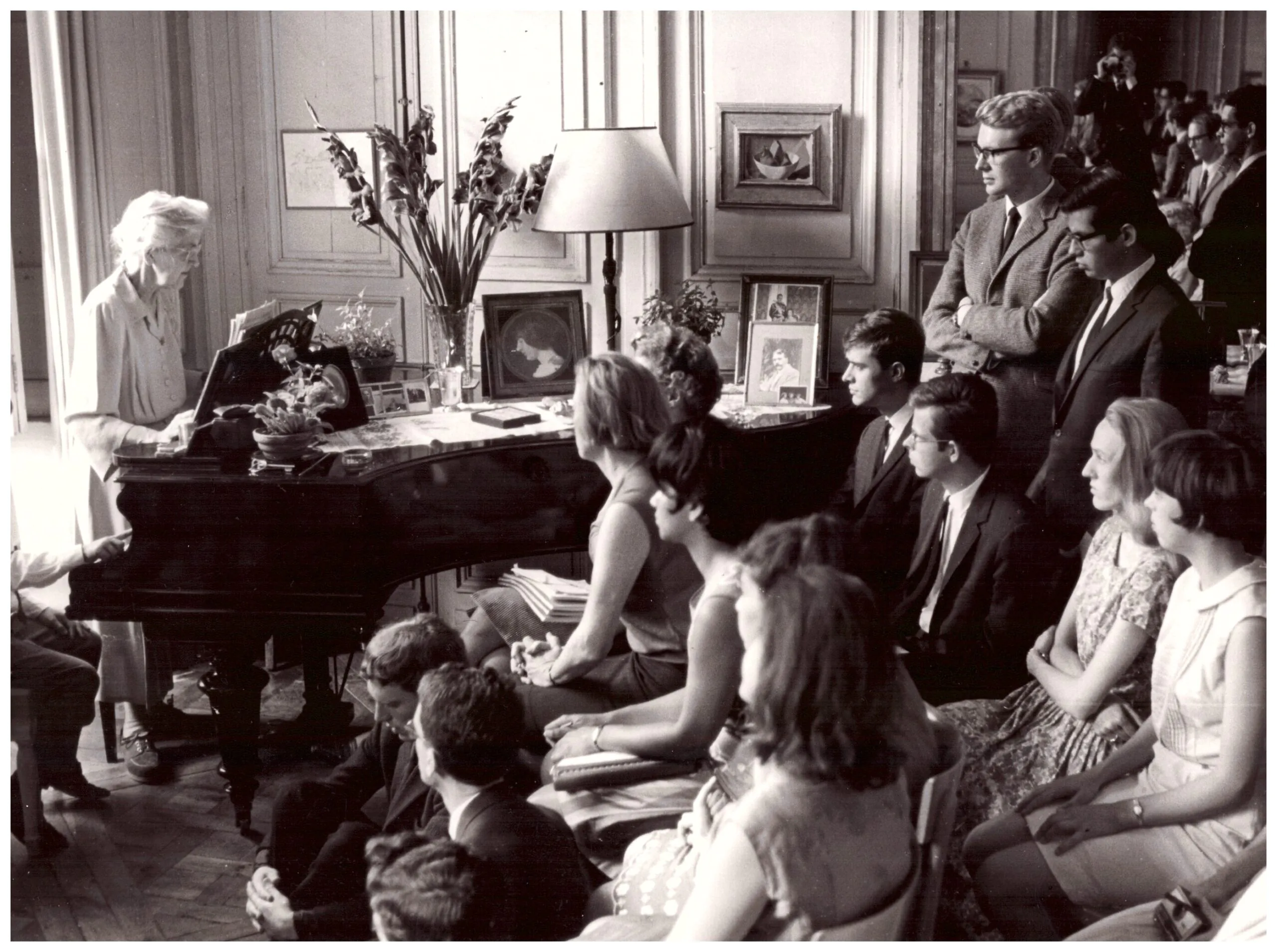
In the salon of her Paris apartment at 36 rue Ballu, she also gave group analysis classes every Wednesday for some thirty students, devoted to the cantatas of Bach. A lover of Baroque music, Princess Winnaretta Singer-Polignac liked to attend these “cantata classes” and invited her niece, the soprano Marie-Blanche de Polignac, to come along. Nadia Boulanger confided to the countess that this weekly gathering meant a great deal to her.
In the early 1930s, she was entrusted with organizing concerts in the salon of the Princesse de Polignac, with whom she had become friends. The works of Igor Stravinsky, their mutual friend, held a central place in the programming.
“I love to think of Wednesday—of that communion in a shared thought, in which each person, in giving, also received.”
A pioneering conductor
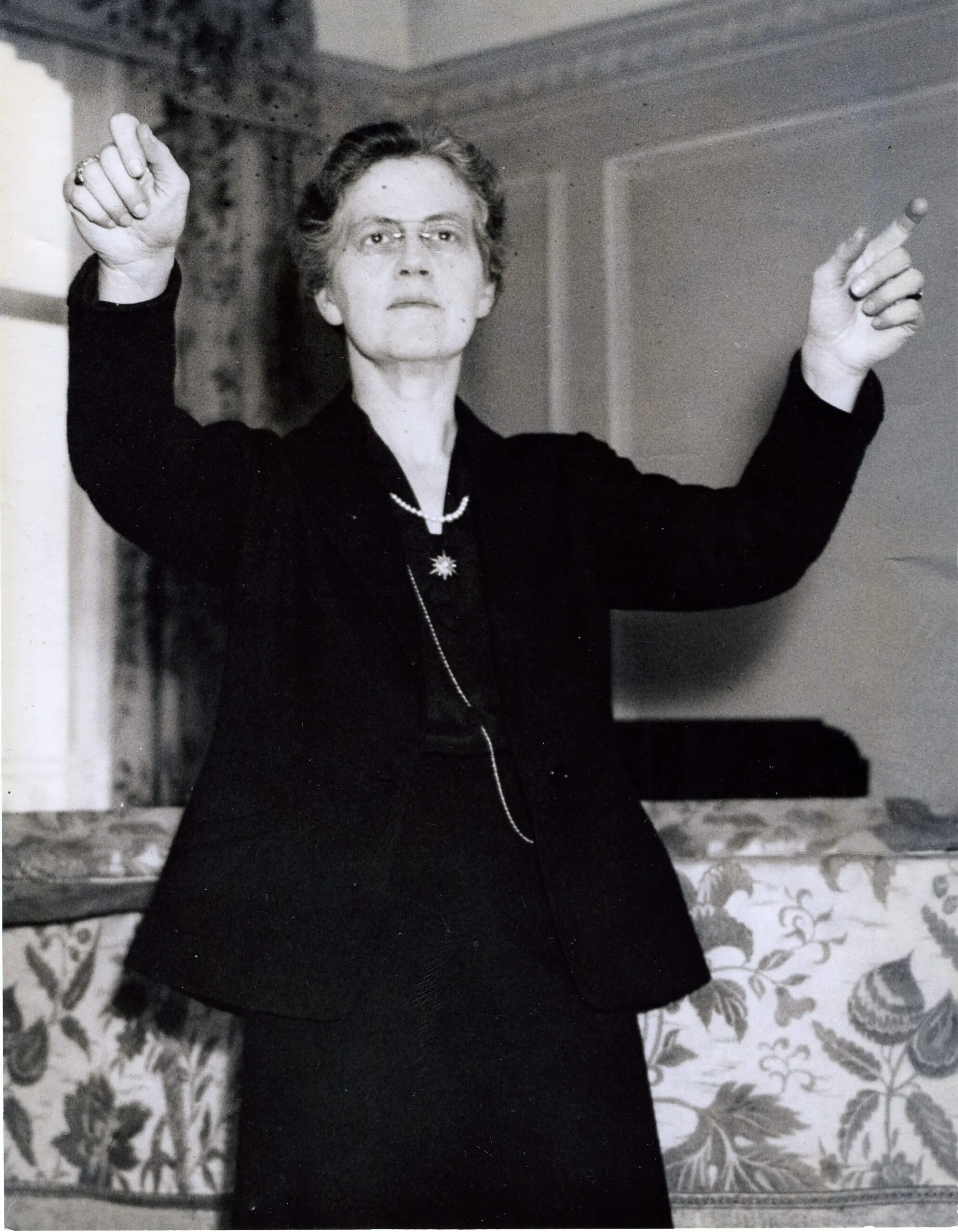
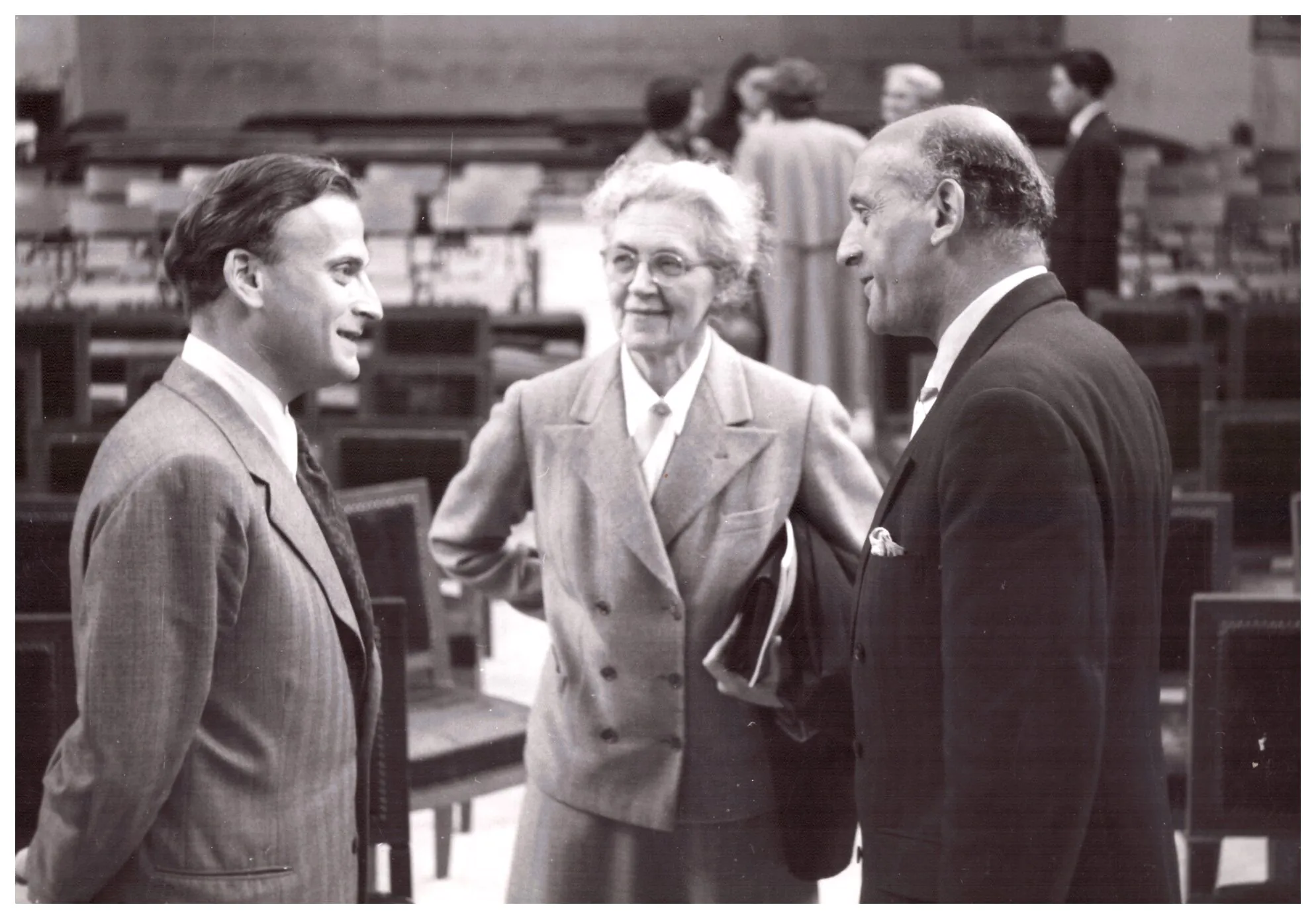
In 1935 she founded an instrumental and vocal ensemble of variable size whose principal performers were Marie-Blanche de Polignac, Gisèle Peyron, Irène and Nathalie Kedroff, Hugues Cuénod, Paul Derenne, and Doda Conrad. Under her direction, the ensemble toured widely and enjoyed great success with a vast repertoire ranging from the Renaissance to contemporary music. One of its landmark concerts was given for the BBC at the Queen’s Hall in 1936, when she conducted Fauré’s Requiem. She became the first woman to conduct the London-based Royal Philharmonic Orchestra, and then the New York Philharmonic Orchestra and the Boston Symphony Orchestra.
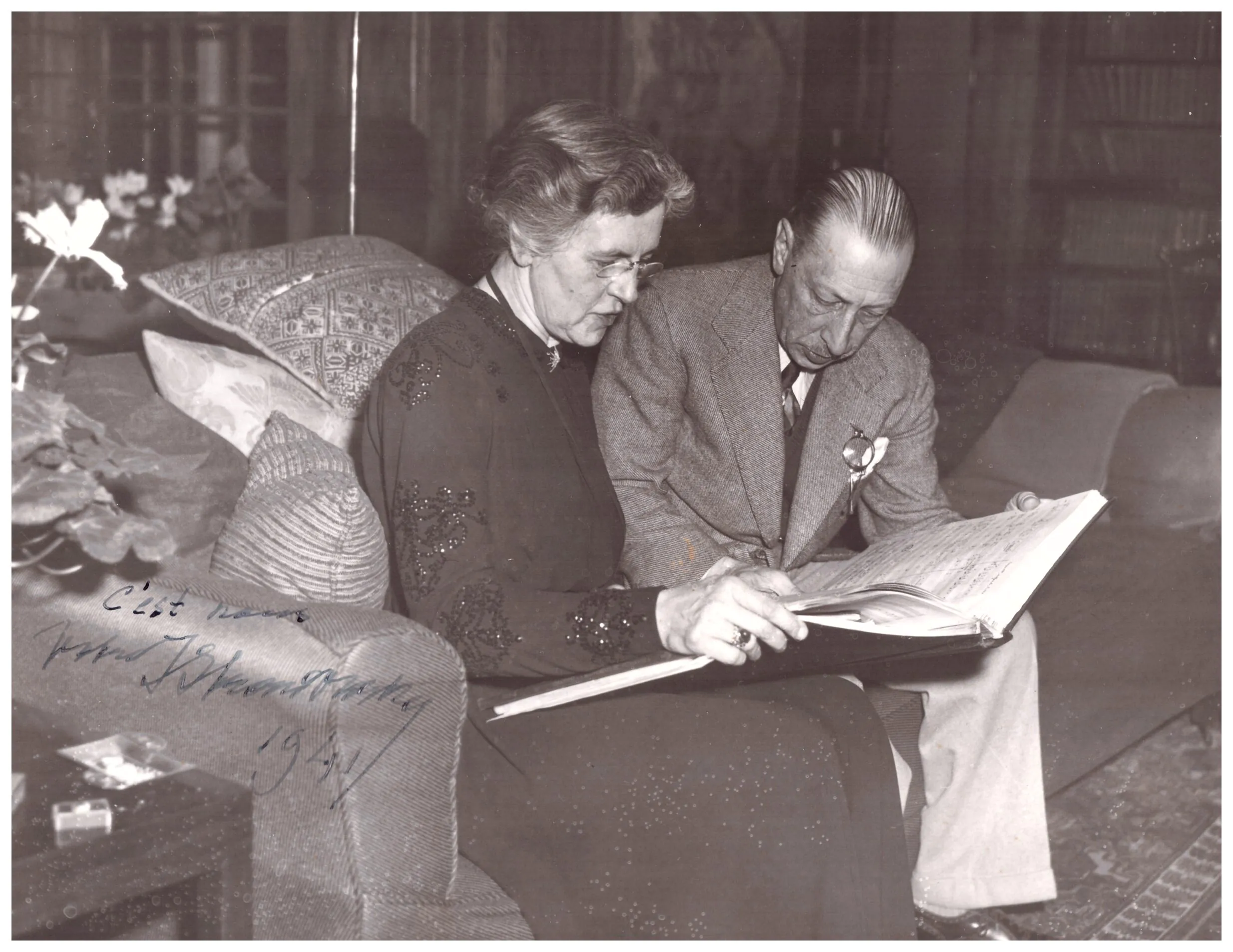
During World War II, she went into exile in the United States, not without remorse, where lectures, classes, and concerts followed one another at a frantic pace. Exhausted, she joined her dear Stravinsky in Santa Barbara; the two shared a deep professional understanding and a close friendship.
The art of passing it on: the American Conservatory at Fontainebleau
Back in France in 1946, she was appointed professor of accompaniment at the Conservatoire de Paris. In 1949 she also became director of the American Conservatory at Fontainebleau, where she carried the French tradition of teaching far and wide until her death. She shared the breadth of her knowledge with a remarkable number of students, including Lennox Berkeley, Leonard Bernstein, Aaron Copland, Idil Biret, Annette Dieudonné, Jean Françaix, Dinu Lipatti, Igor Markevitch, Yehudi Menuhin, Emile Naoumoff, and Louise Talma, to name only a few, whose deep attachment to “Mademoiselle” never waned.
“The only thing I can do for my students is to let them touch the freedom that comes from knowing the means they must use to express themselves; to lead them, through an established order and an imposed rigor, to rediscover the essence of language.”
An exceptional legacy
Appointed maître de chapelle of the Principality by Prince Pierre of Monaco (Comte de Polignac), she was responsible for nearly thirty years for the music of all major ceremonies. She received the highest honors, including that of Grand Officer of the Légion d’honneur on February 9, 1977.
The “Queen of Music,” as Leonard Bernstein liked to call her, died in Paris on October 22, 1979, at the age of ninety-two. She is buried with her sister in the Cimetière de Montmartre.


All quotations are by Nadia Boulanger, taken from the following book: Bruno Monsaingeon, Mademoiselle : Entretiens avec Nadia Boulanger (Paris: Éditions Van de Velde, 1980).
Videos


